The short answer
Radar units watch the ball fly, so they sit behind the ball and need room depth. Camera (photometric) units photograph the ball at impact, so they sit beside or above it and fit shallow rooms. Hybrids combine both to fill each other's gaps.
How each one reads the ball
| Radar (Doppler) | Camera (photometric) | Hybrid | |
|---|---|---|---|
| What it measures | Frequency shift of reflected radio waves as the ball and club move | High-speed images of the ball (and club) around impact | Radar flight data plus camera images |
| Typical placement | Behind the ball | Beside the ball or overhead | Behind or beside the ball |
| Room depth | Needs ball flight: often 17–19 ft total | About 13.5–15.5 ft total | Depends on placement |
| Outdoors | Usually strong | Some models; lighting matters | Often strong |
| Spin indoors | Often calculated or needs marked balls | Usually measured | Varies by model |
Browse by family: radar behind the ball, camera beside the ball, overhead.
How to choose
- Measure room depth. Under about 15 ft, favour camera or overhead units.
- Decide whether measured spin matters — for wedges, curve and fitting it does. See measured vs calculated spin.
- If you also practise at the range, check the outdoor rating.
- Add the plan cost over five years.
Products mentioned
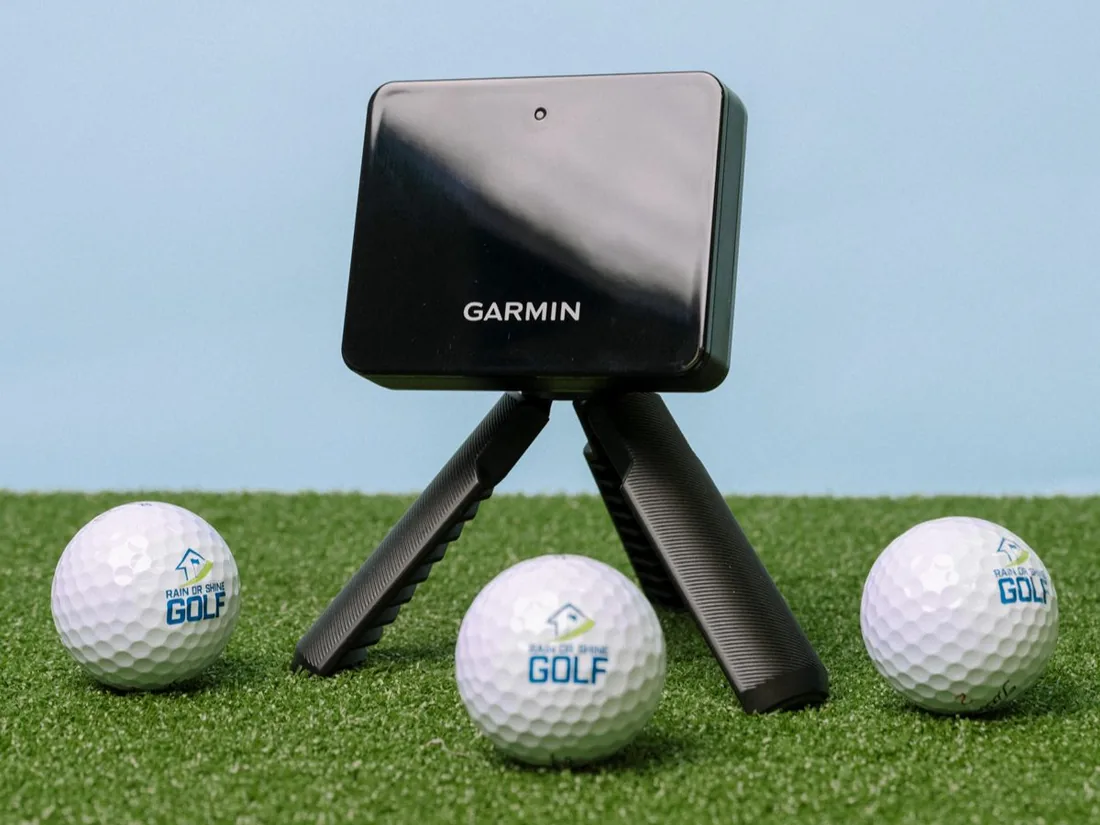
Radar launch monitor · Behind the ball
Garmin Approach R10
Radar · Behind the ball · 17–19 ft deep
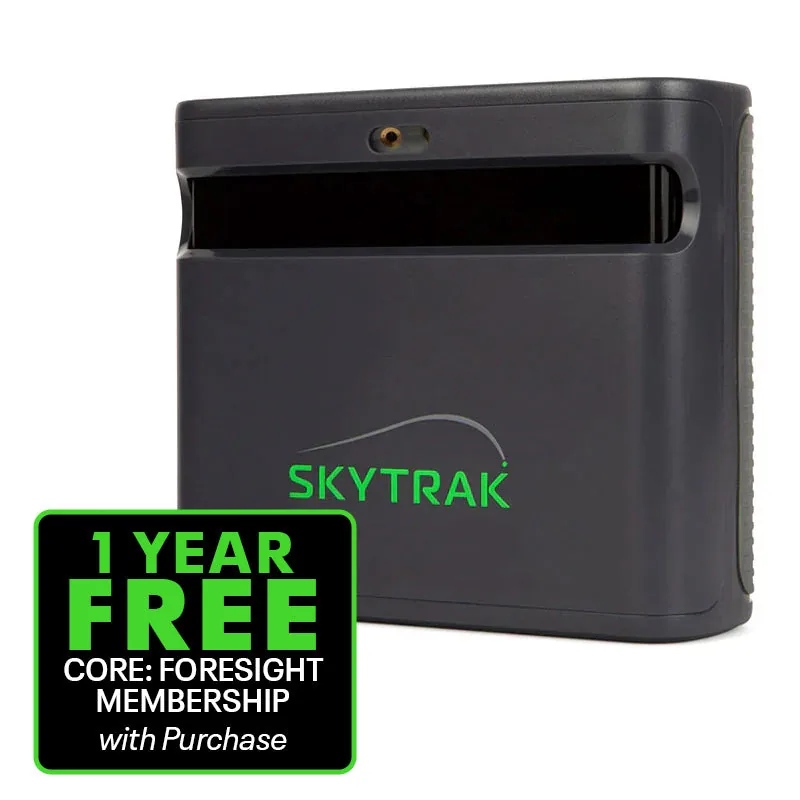
Radar + camera launch monitor · Beside the ball
SkyTrak ST MAX
Radar + camera · Beside the ball · 13.5–15.5 ft deep
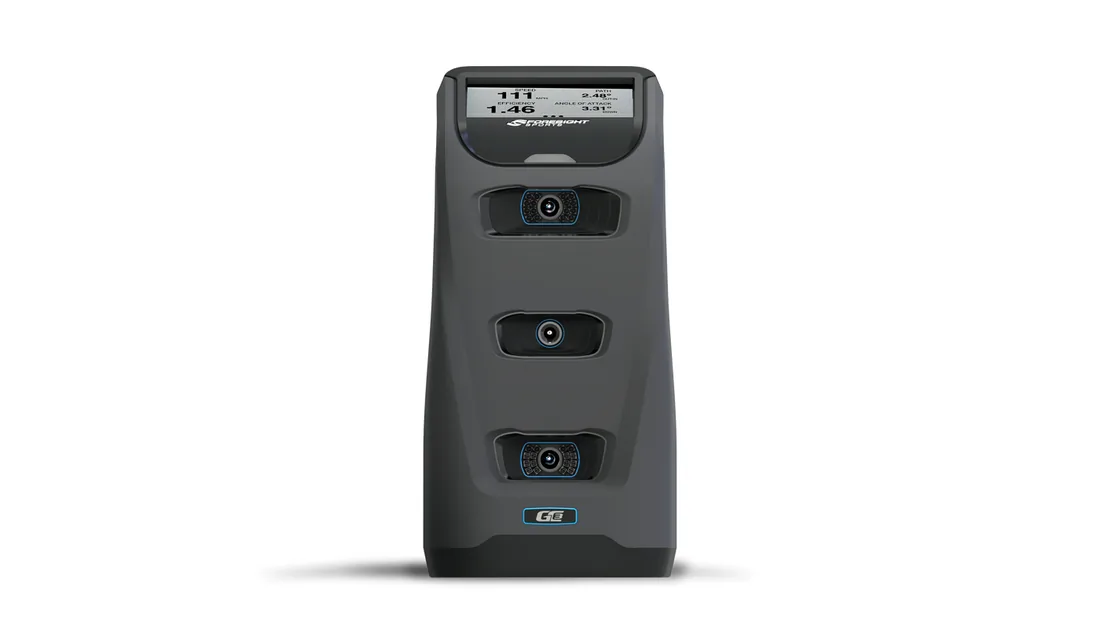
Camera launch monitor · Beside the ball
Foresight Sports GC3
Camera · Beside the ball · 13.5–15.5 ft deep
Questions readers ask
Are camera launch monitors more accurate than radar?
Neither is universally more accurate; they measure different things well. Indoors, cameras read spin directly at impact, while many radar units estimate spin or need marked balls in a short flight.
Can a radar launch monitor work in a garage?
Yes, if the garage is deep enough for the unit's distance behind the ball plus its stated ball-flight distance — often 16–19 ft in total.
Figures marked as FOREference calculations show their working; product figures come from the sources on each product page. How we work