Launch monitors report ball data (what the ball did: speed, launch, spin, carry) and club data (why: club speed, path, face angle, attack angle, loft). For most golfers, five numbers explain almost everything: ball speed, launch angle, spin rate, club path and face-to-path. Calculated values such as carry depend on how well the unit measures those inputs, especially spin.
Ball data
| Parameter | What it means | Why it matters |
|---|---|---|
| Ball speed | Speed of the ball just after impact | The biggest driver of distance |
| Launch angle | Vertical angle the ball leaves at | Too low or high costs carry |
| Launch direction | Horizontal start direction | Mostly set by face angle |
| Spin rate | Revolutions per minute | Height, stopping power and distance |
| Spin axis | Tilt of the spin | Curve: draw, fade, hook or slice |
| Carry and total | Distance in the air and with roll | Calculated from the above |
Club data
| Parameter | What it means | Why it matters |
|---|---|---|
| Club speed | Clubhead speed before impact | Distance potential |
| Smash factor | Ball speed ÷ club speed | Quality of strike (about 1.50 is excellent with a driver) |
| Club path | Direction the club is moving at impact | In-to-out or out-to-in |
| Face angle | Where the face points at impact | Start direction |
| Face-to-path | Face angle minus path | Curvature |
| Attack angle | Club moving up or down at impact | Driver distance and iron compression |
| Dynamic loft | Loft delivered at impact | Launch and spin |
| Impact location | Where on the face the ball was struck | Speed loss and gear effect |
Measured vs calculated
Some launch monitors measure spin directly from the ball; others calculate it from club data, which is less reliable for curvature and wedge play. Some need marked balls or stickers to measure spin indoors. Each product page shows how the unit gets its spin. See marked balls and club stickers.
Which numbers to watch first
- Distance: ball speed, launch angle, spin rate (and smash factor for strike quality).
- Direction and curve: face angle for start line, face-to-path for curve.
- Contact: attack angle and impact location.
- Gapping: carry distance by club, averaged over several shots.
Want the most club data? See launch monitors with the most club data.
Products mentioned
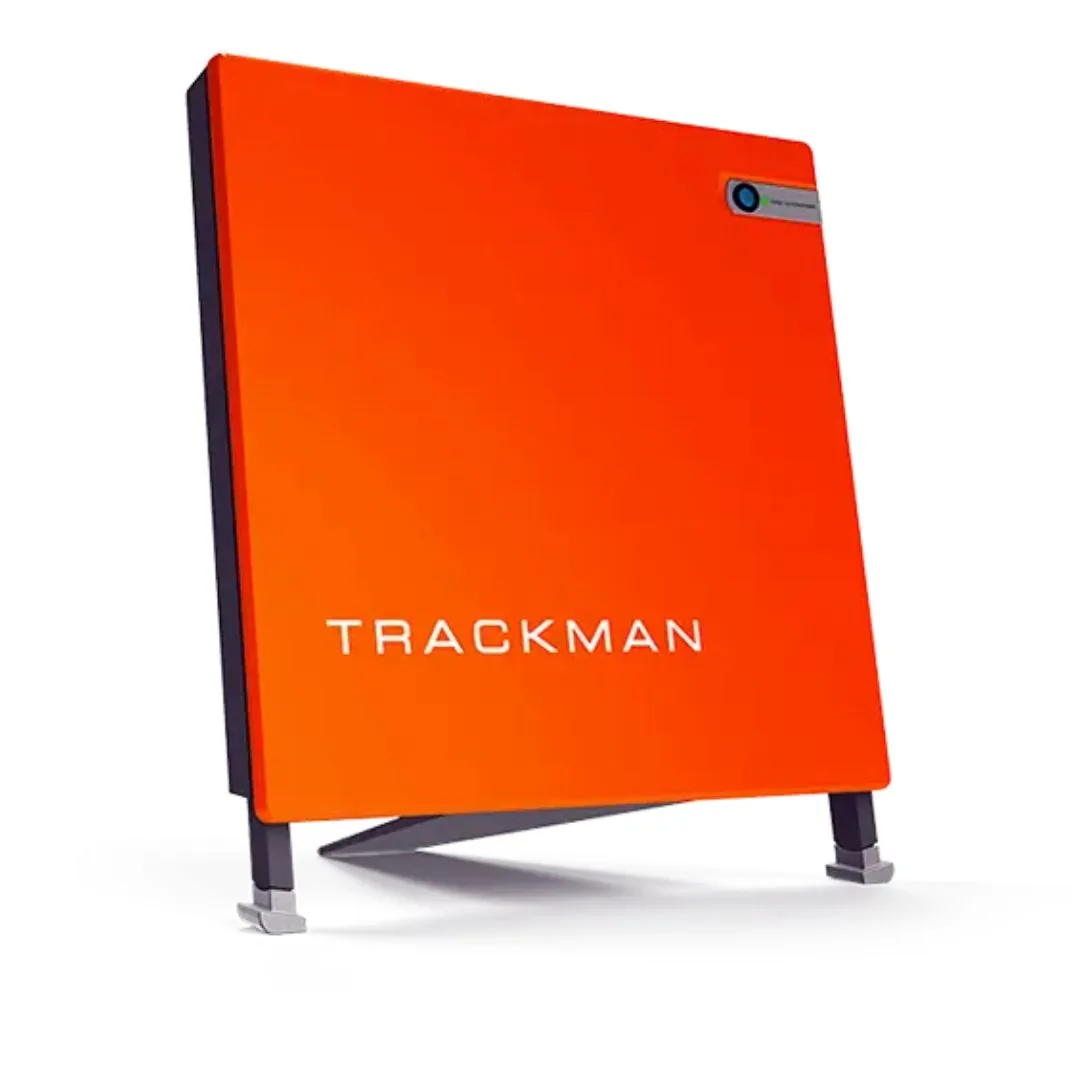
Trackman 4
Radar + camera · Behind the ball · 18–19 ft deep
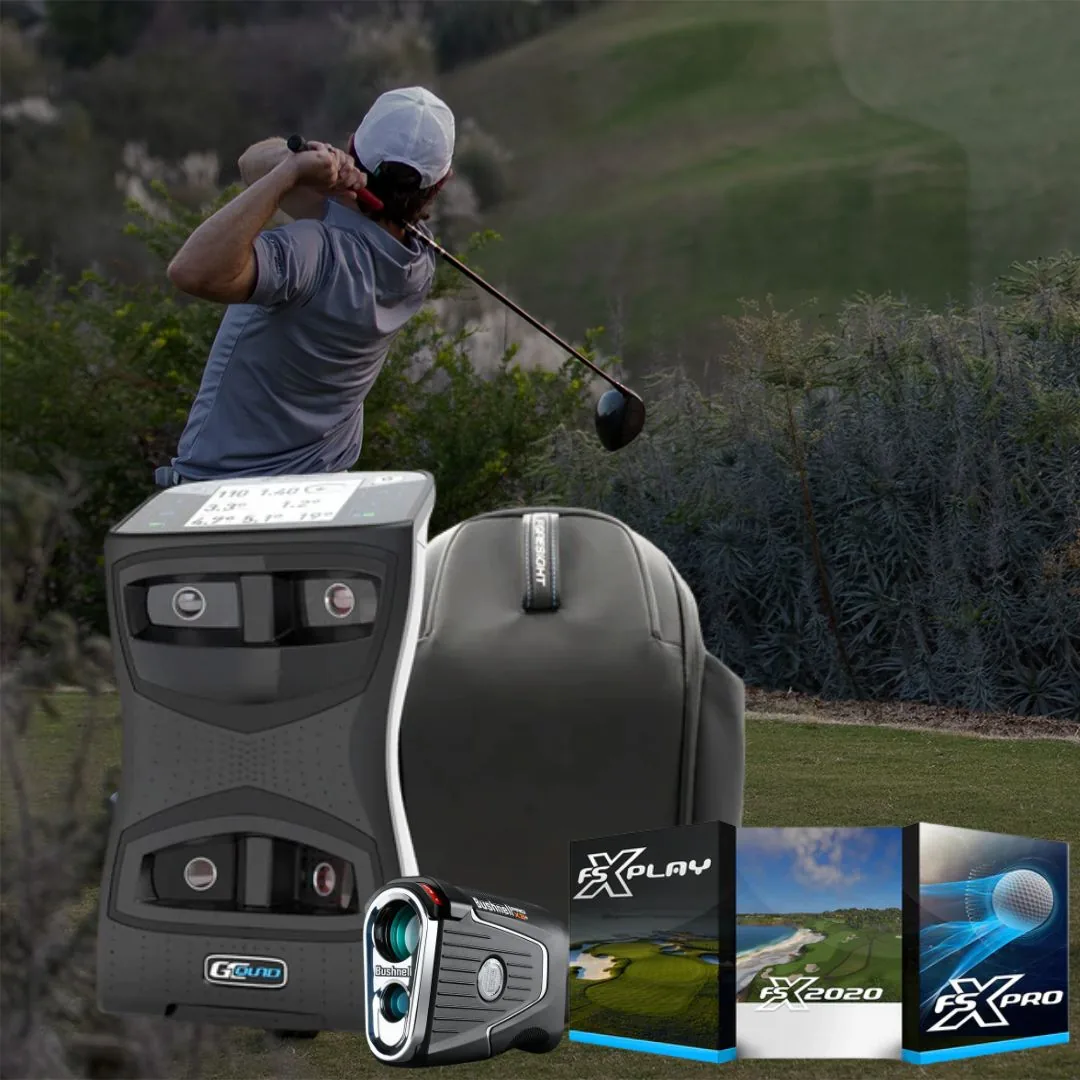
Foresight Sports GCQuad
Camera · Beside the ball · 13.5–15.5 ft deep
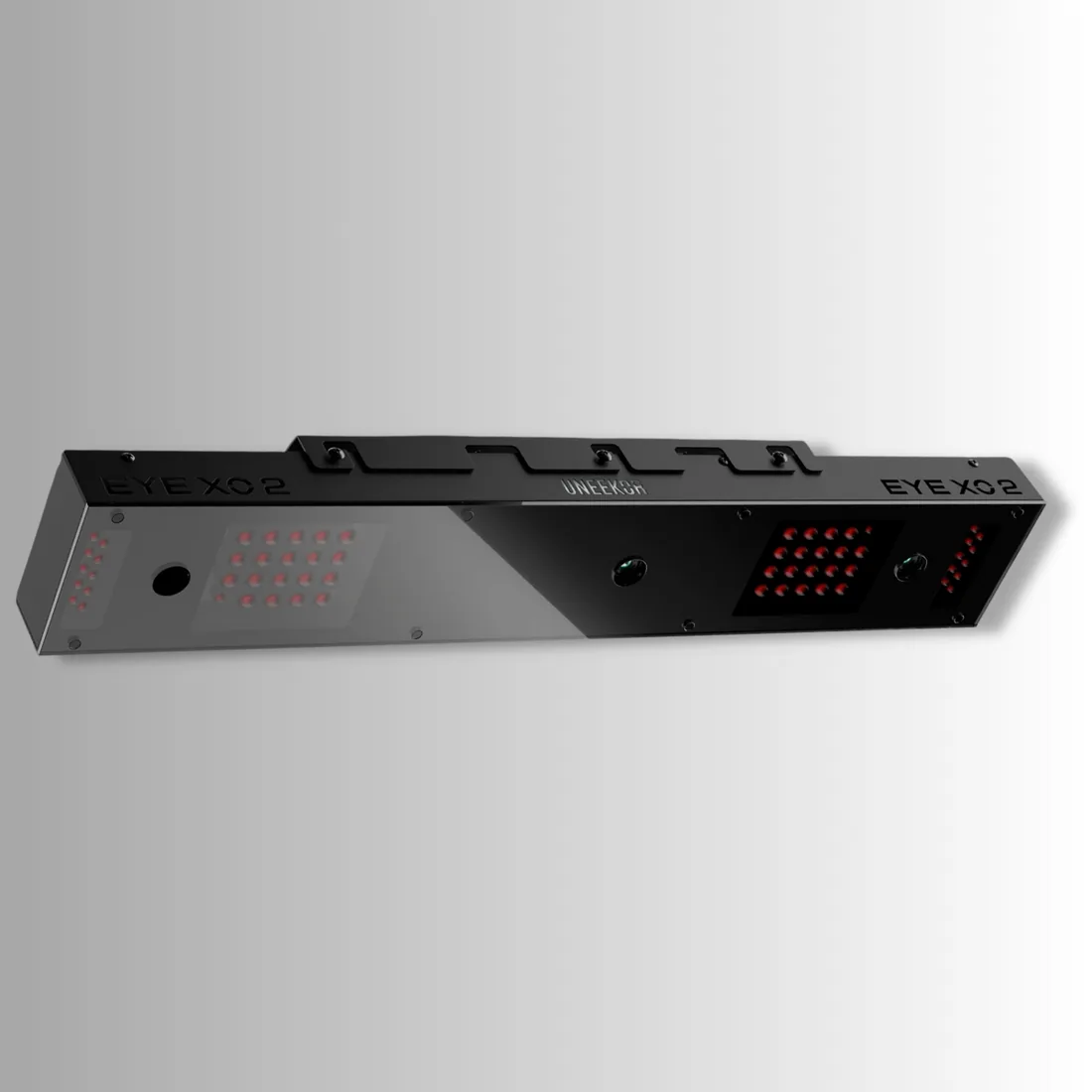
Uneekor EYE XO2
Camera · Ceiling, in front of the ball · 13.5–15.5 ft deep
Questions readers ask
What launch monitor numbers matter most?
What is a good smash factor?
What is the difference between ball data and club data?
Is calculated spin accurate?
Figures marked as FOREference calculations show their working; product figures come from the sources on each product page. How we work