A premium simulator pairs an overhead or tour-grade launch monitor with full club data with a room of roughly 12 to 15 ft wide, 9.5 to 10 ft high and 16 to 20 ft deep, a custom enclosure with side protection, a bright 4K or WUXGA laser projector with lens shift, and proper acoustics, lighting and dedicated power. Expect $12,000 to $25,000 for packages and more for fully custom rooms.
Choose the launch monitor first
The launch monitor sets the room's requirements. Overhead units keep the floor clear and suit left- and right-handed golfers; tour-grade floor units such as Trackman 4 also work outdoors but need the deepest rooms.
| Model | Mount | Room note | Price |
|---|---|---|---|
| Uneekor EYE XO2 | Ceiling, in front of the ball | Three cameras, 12 × 21 in hitting zone | $10,999 |
| Trackman iO | Ceiling, in front of the ball | 9.5 to 10 ft ceiling at the mount | $13,995 |
| Foresight Falcon | Ceiling, in front of the ball | About 9.5 ft high, 12 ft wide, 14 ft deep | $16,999 |
| Trackman 4 | Floor, behind the golfer | About 15 ft wide, 10 ft high, 18 ft deep | $25,995 |
Compare them in overhead launch monitors and launch monitors with the most club data.
Room dimensions
- Width: 12 ft is workable; 14 to 15 ft gives a centered hitting position for both left- and right-handed golfers with side clearance.
- Height: 9.5 to 10 ft lets every golfer swing a driver freely and suits most overhead mounts.
- Depth: 16 to 20 ft leaves room for a seating area behind the golfer and for floor units that need ball flight.
Run your numbers in the room size calculator and room size guide.
Enclosure, screen and projection
- Enclosure: a custom or premium frame with padded side panels and a baffle to stop mishits; curved or angled sides for a wider view.
- Impact screen: a premium, tightly woven screen for image sharpness and quiet impacts, tensioned evenly.
- Projector: a 4K or WUXGA laser projector with lens shift, mounted out of the swing path; brightness of 4,000+ lumens copes better with room lighting. See the projector guide and throw ratio explained.
The details that make it premium
- Acoustics: ball impacts are loud; acoustic panels and a solid door keep the rest of the house quiet. See soundproofing.
- Lighting: bright, even light on the hitting area with none on the screen; dimmable zones for play and viewing. See lighting.
- Power and network: dedicated circuits for the PC and projector, and wired Ethernet to the launch monitor and PC.
- Flooring: a full turf floor with a premium hitting mat, and putting turf if you want a short game area. See flooring.
Products mentioned
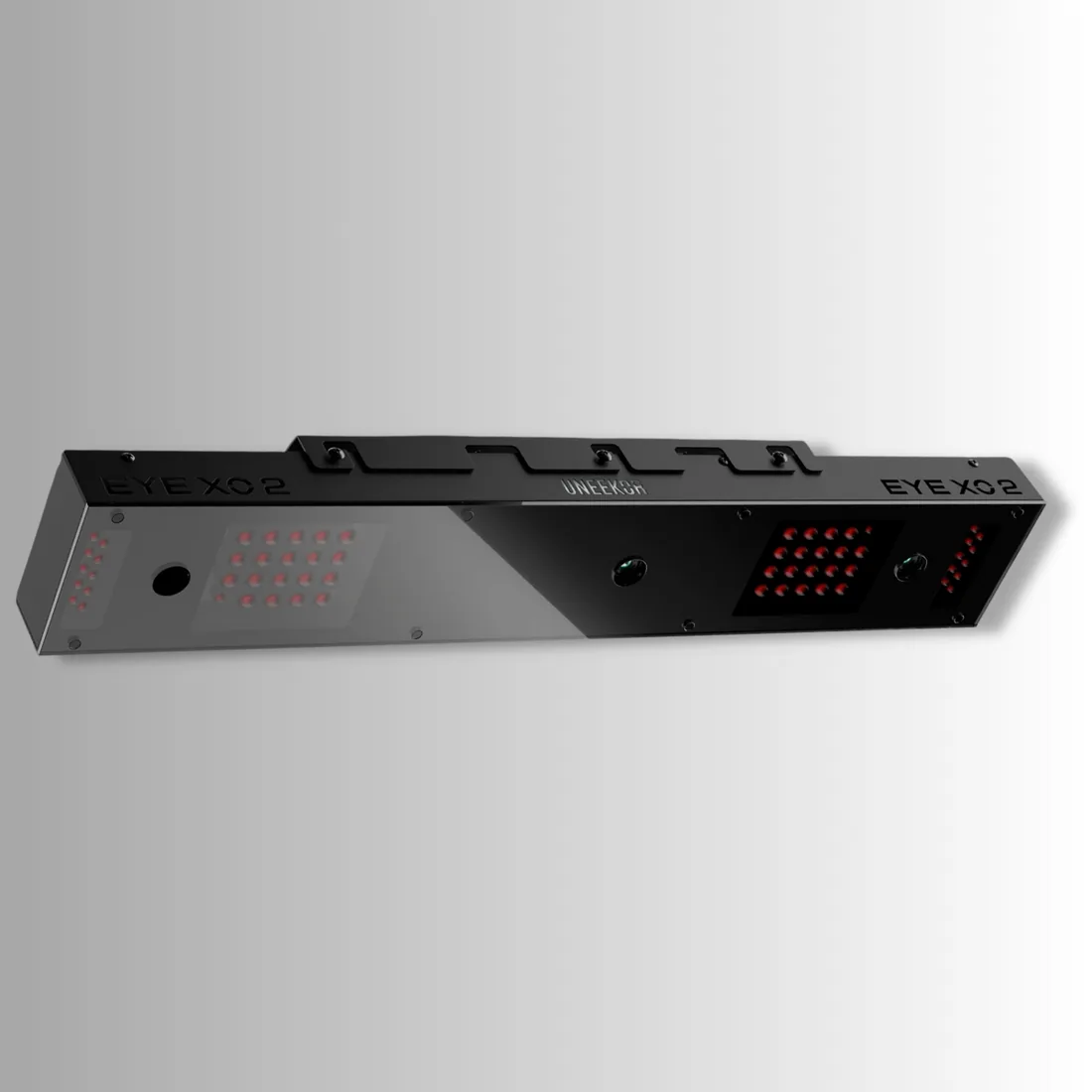
Uneekor EYE XO2
Camera · Ceiling, in front of the ball · 13.5–15.5 ft deep
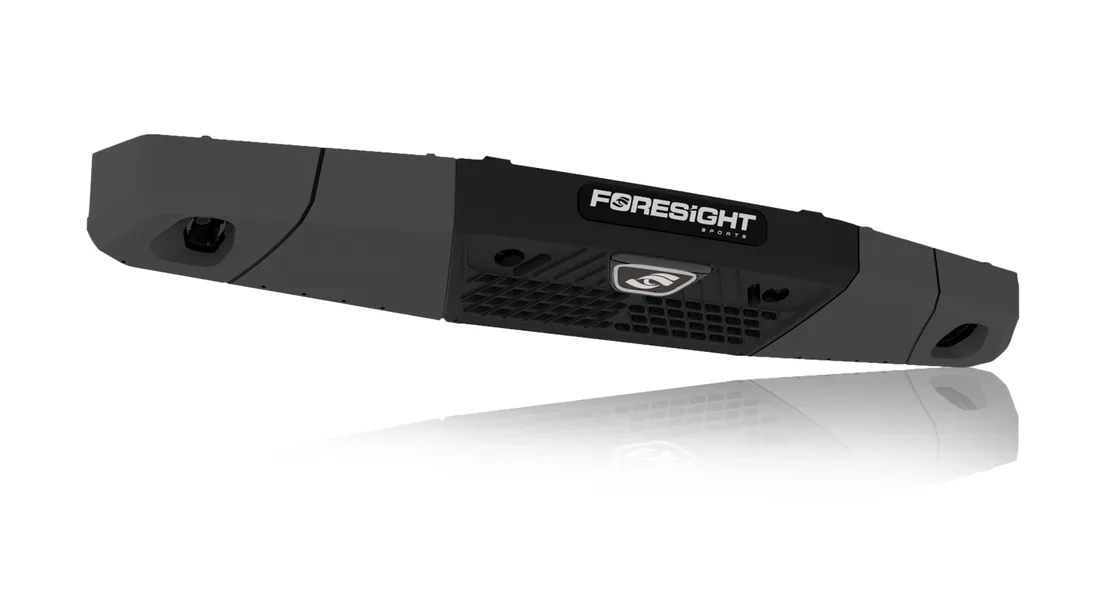
Foresight Sports Falcon
Camera · Ceiling, in front of the ball · 14–15.5 ft deep
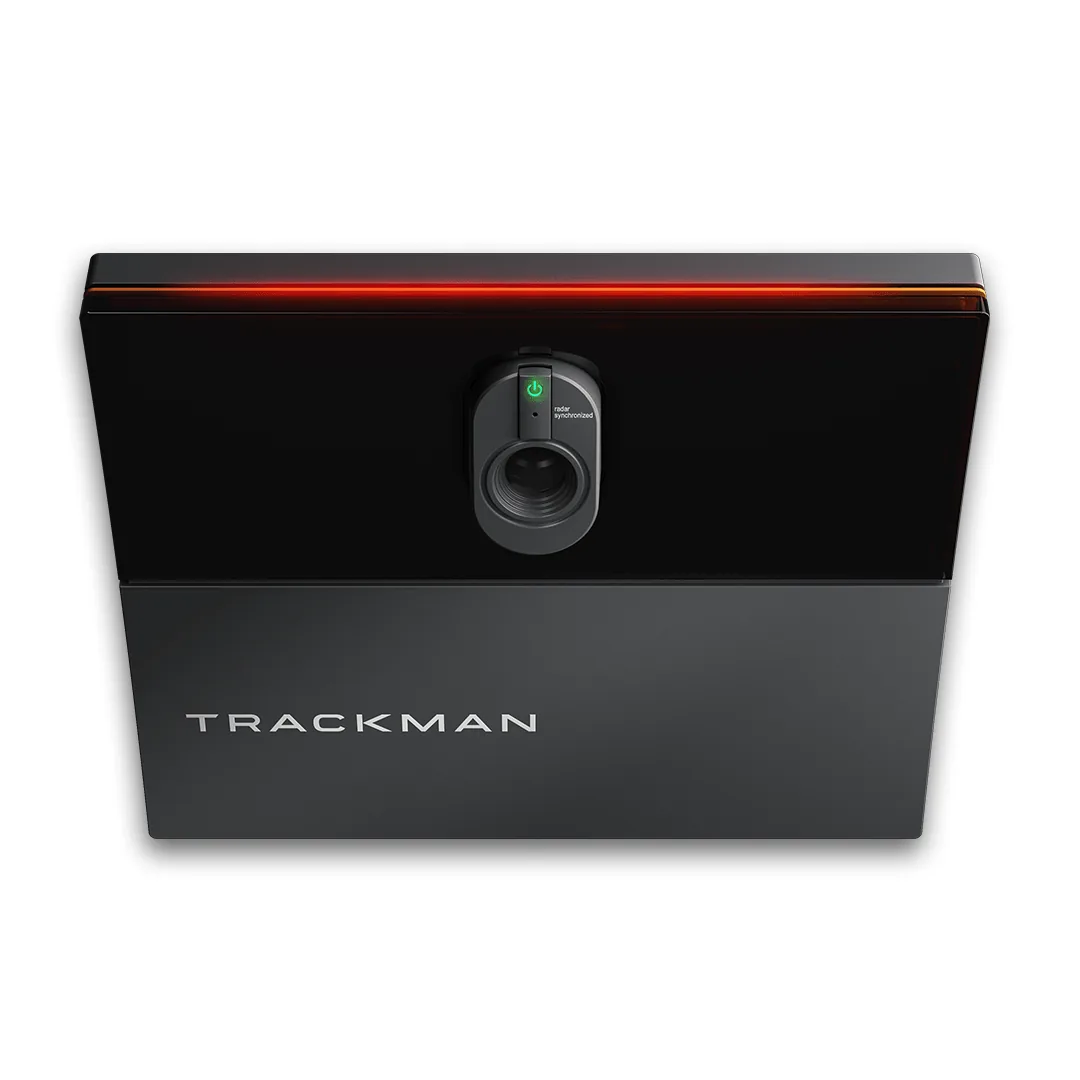
Trackman iO
Radar + camera · Ceiling, in front of the ball · 13.5–15.5 ft deep
Questions readers ask
How much does a premium golf simulator cost?
What is the best launch monitor for a premium simulator?
What room size do I need for a high-end simulator?
Do I need a 4K projector for a golf simulator?
Figures marked as FOREference calculations show their working; product figures come from the sources on each product page. How we work